If you wear dentures, you may have noticed something unsettling. They fit perfectly at first, then slowly begin to shift, slip, or rub. Understanding why your dentures fit differently every year—and what to do in Stony Plain—can save you discomfort, embarrassment, and long-term oral health problems. Dr. Fred Lobay and the team at Lobay Dental Group see this issue regularly, and the good news is that solutions are available.
The Hidden Reason Your Dentures No Longer Fit
Most people assume dentures simply wear out like shoes. The truth is more complex. Your jawbone is constantly changing, even after tooth loss. When natural teeth are removed, the bone that once supported them begins to shrink—a process called bone resorption.
Bone resorption happens because your jawbone needs stimulation to maintain its density. Natural tooth roots provide that stimulation every time you chew. Without roots, the bone receives no signal to stay strong. It gradually shrinks in both height and width.
This is not a flaw in your dentures. The appliance itself has not changed shape. Your jaw has. That is why even a perfectly fitted denture will begin to feel loose within a few years of regular wear.
How Quickly Does Bone Resorption Happen in Denture Wearers?
Bone loss after tooth extraction begins almost immediately. Studies suggest patients can lose a significant amount of bone volume in the first year alone. After that, the process continues at a slower but steady rate for the rest of a person’s life.
This rate varies from person to person. Factors that influence it include:
- How many teeth were removed and when
- Your overall bone density and health
- How consistently you wear your dentures
- Whether you wear upper dentures, lower dentures, or both
- Your age and nutrition
Lower dentures tend to become loose faster than upper ones. The lower jaw resorbs more quickly due to the forces placed on it during chewing. Many Stony Plain patients find their lower denture becomes the first problem to address.
Signs Your Dentures No Longer Fit Properly
Ill-fitting dentures cause more than just discomfort. They can create real oral health problems if left unaddressed. Knowing the warning signs helps you act early rather than waiting for pain to force your hand.
Watch for these common signs of poor denture fit:
- Dentures shifting or clicking when you speak or eat
- Sore spots, redness, or irritation on your gums
- Difficulty chewing certain foods you used to manage easily
- Dentures falling out unexpectedly or requiring adhesive to stay in place
- Changes in your facial appearance, such as a sunken or collapsed look
- Mouth sores or persistent gum inflammation
Sore spots from loose dentures can lead to infections. In rare cases, patients require Emergency Dentistry Stony Plain services when irritation becomes severe and untreated. Addressing fit issues early prevents these more serious outcomes.
What You Can Do: Relining, Rebasing, and Replacement
When dentures no longer fit well, you have several options. The right choice depends on how much bone loss has occurred and the condition of your existing denture. Dr. Lobay will assess your situation and recommend the most appropriate path forward.
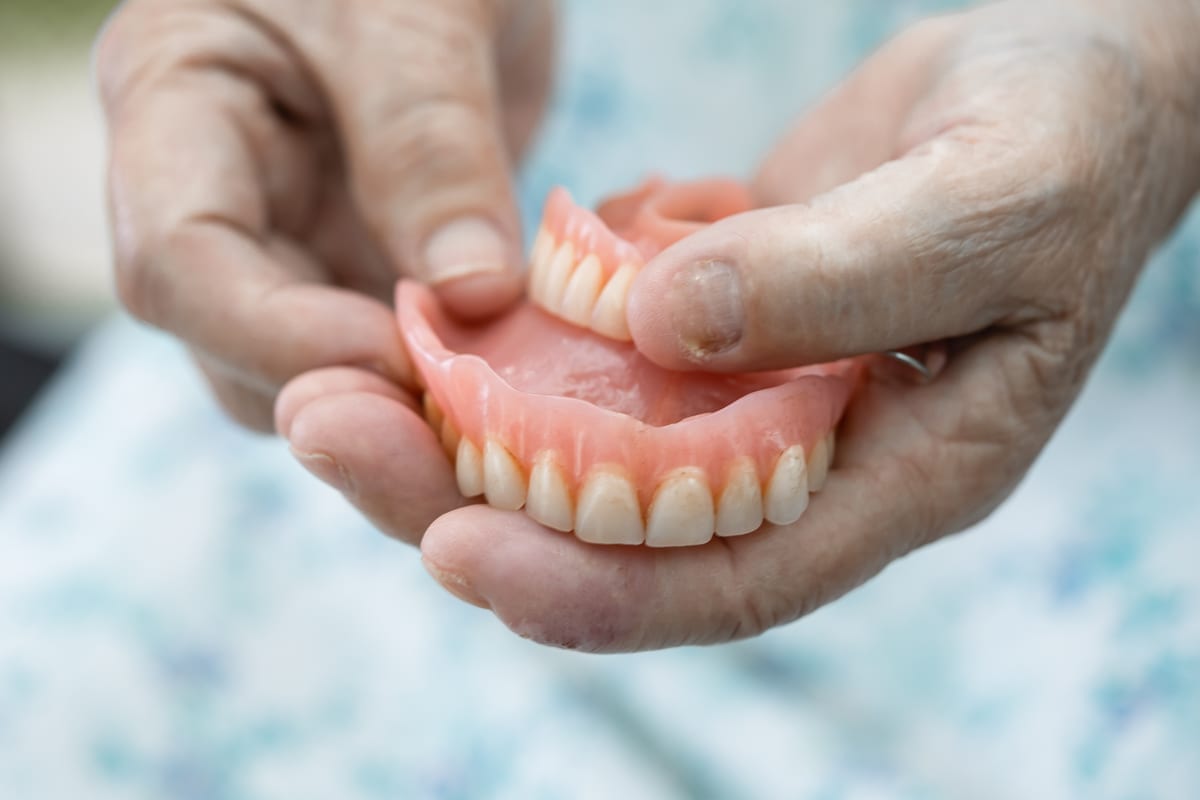
Denture Relining is the most common solution. A reline adds new material to the tissue-facing surface of your denture. This fills the gap created by bone resorption and restores a snug fit. Relines can be done chairside in the office or sent to a dental lab for a more durable result.
Denture Rebasing goes further than relining. The entire denture base is replaced while keeping the existing artificial teeth. Rebasing is suitable when the base has become weak or cracked but the teeth themselves are still in good condition.
Denture Replacement becomes necessary when the denture is too worn or the bone has changed too dramatically for adjustments to work well. Most dentures have a functional lifespan of seven to ten years. After that, replacement is often the most practical and comfortable option.
Some patients in Stony Plain also explore dental implants as a long-term alternative. Implants stimulate the jawbone directly, slowing or stopping the bone loss cycle entirely. This makes implant-supported dentures a worthwhile consideration for many patients.
When Underlying Issues Are Involved
Sometimes, discomfort with dentures points to a deeper problem. An infected tooth root, cyst, or other tissue issue beneath the surface can affect how your denture sits. If you are experiencing pain beyond simple soreness, your dentist needs to rule out these causes.
Patients who previously avoided dental care may have untreated infections hiding under the gum line. In some cases, Root Canal Therapy Stony Plain or other treatments may be needed before a new denture can be properly fitted. Treating these underlying issues first leads to a far better outcome.
This is one reason why regular check-ups matter even if you wear full dentures. Your dentist is not just checking your teeth. They are monitoring your bone levels, gum health, and the fit of your appliance over time.
How Often Should You Have Your Dentures Checked?
The Canadian Dental Association recommends that denture wearers visit their dentist at least once per year. Many patients assume they no longer need regular appointments once their natural teeth are gone. This is a common and costly misconception.
Annual visits allow your dentist to:
- Assess bone resorption levels and adjust the denture fit as needed
- Screen for oral cancer and other soft tissue conditions
- Clean your dentures professionally and check for cracks or wear
- Advise on when relining, rebasing, or replacement is appropriate
At Lobay Dental Group in Stony Plain, we welcome denture patients for routine monitoring appointments. Catching fit changes early is far easier and more affordable than addressing advanced bone loss or complex repairs down the road.
Conclusion
Your dentures were made for the jaw you had at the time they were fitted. As bone resorption continues year after year, that fit will change—and that is completely normal. What matters is what you do next. Residents of Stony Plain have access to experienced, compassionate care at Lobay Dental Group. Whether you need a simple reline or are ready to explore implant-supported options, Dr. Fred Lobay and our team are here to guide you. Do not wait until soreness or embarrassment forces the conversation. Book Now to schedule your appointment with our team.
Frequently Asked Questions
Why do my dentures feel loose even though they are only a few years old?
Bone resorption begins immediately after tooth loss and continues over time. Even dentures that are only two or three years old can feel loose as the jawbone changes shape beneath them. A reline or rebase from your dentist can restore a proper fit without replacing the entire appliance.
Can I use denture adhesive instead of getting my dentures adjusted?
Adhesive can provide temporary relief, but it is not a long-term solution. Relying on adhesive for extended periods often means the denture fit has changed significantly. It is better to have your dentist assess and correct the fit directly rather than masking the problem.
How long do dentures typically last before they need to be replaced?
Most dentures last between seven and ten years with proper care. Over time, the denture material wears down and bone changes make refitting impractical. Your dentist at Lobay Dental Group can advise you on whether adjustment or full replacement is the right next step for your situation.
Are dental implants a better long-term option than traditional dentures?
For many patients, implant-supported dentures offer significant advantages. Implants stimulate the jawbone, which slows bone resorption and helps preserve your facial structure. They also provide a more stable and comfortable fit. Dr. Lobay can discuss whether you are a suitable candidate during a consultation.
What happens if I ignore a poorly fitting denture?
Ill-fitting dentures can cause persistent sore spots, gum infections, and difficulty eating nutritious foods. Over time, continued bone loss may make future fitting more challenging. Addressing fit issues early at Lobay Dental Group in Stony Plain leads to better outcomes and greater long-term comfort.