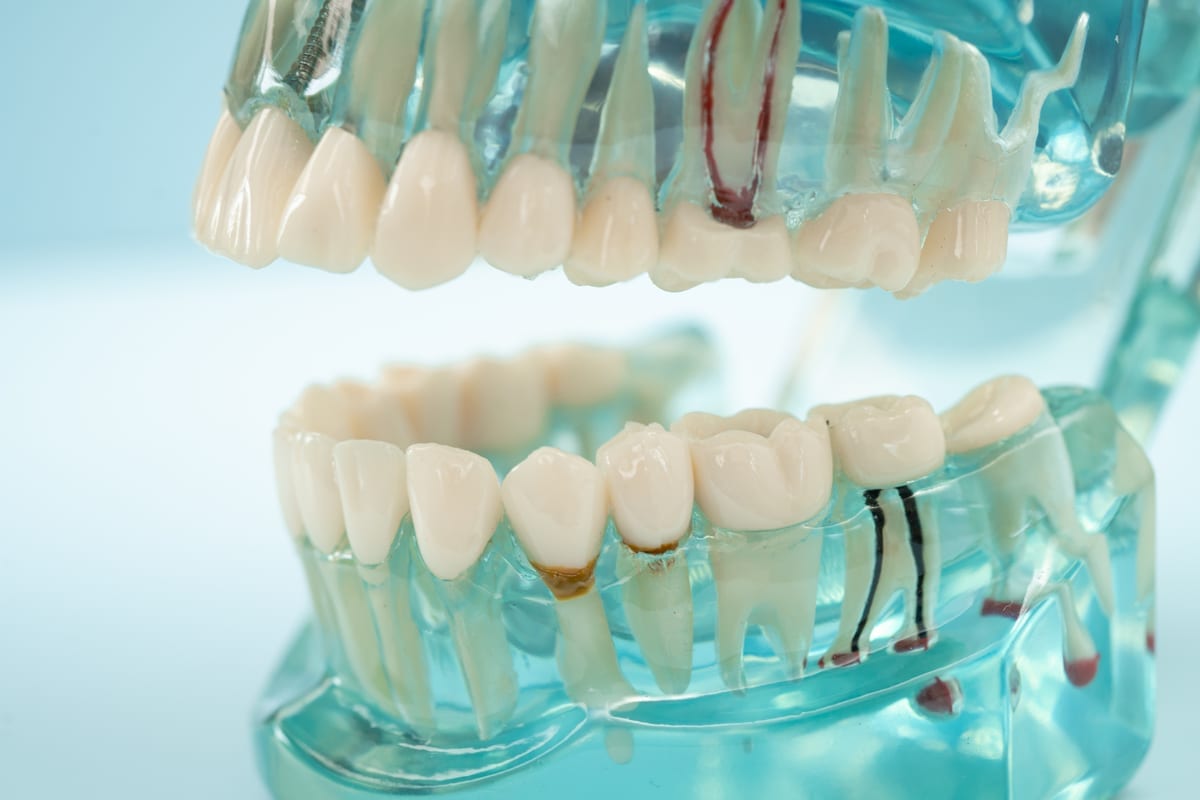
That constant, throbbing tooth pain is hard to ignore — and it shouldn’t be. Understanding why that throbbing tooth pain could be a serious abscess in Stony Plain is the first step toward protecting your health. A dental abscess is not just a bad toothache. It is a bacterial infection that can spread beyond your mouth and become life-threatening if left untreated.
At Lobay Dental Group, Dr. Fred Lobay and our team want every Stony Plain patient to recognize this condition early. The sooner you act, the better your outcome will be. Keep reading to learn what an abscess is, how to spot it, and what to do next.
What Is a Dental Abscess and Why Does It Happen?
A dental abscess is a pocket of pus caused by a bacterial infection. It typically forms at the root of a tooth or in the surrounding gum tissue. The infection usually starts when bacteria enter through a cracked tooth, a deep cavity, or damaged gum tissue.
There are two main types of dental abscesses. A periapical abscess forms at the tip of the tooth root. A periodontal abscess forms in the gums beside the root. Both types are painful and both require prompt professional treatment.
Left untreated, the infection does not simply go away on its own. It spreads through bone, tissue, and even into your bloodstream. This is why understanding a dental abscess is so important for residents across Stony Plain, AB.
Warning Signs: How to Know If You Have an Abscess in Stony Plain
Not all tooth pain is an abscess, but certain symptoms are strong warning signs. Recognizing these signs early can make a significant difference in your treatment and recovery. Here are the most common symptoms to watch for:
- Severe, throbbing toothache that does not let up
- Sensitivity to hot or cold temperatures that lingers
- Swelling in your face, cheek, or jaw
- Tender, swollen lymph nodes under your jaw or in your neck
- Fever or a general feeling of illness
- A foul taste or smell in your mouth from draining pus
- Difficulty swallowing or breathing — a medical emergency
Some patients notice a small bump on the gum that looks like a pimple. This is called a dental fistula or sinus tract. It is your body trying to drain the infection. Even if the pain temporarily eases after this happens, the infection is still active and dangerous.
If you experience difficulty swallowing or breathing alongside jaw swelling, go to your nearest emergency room immediately. These are signs the infection may be spreading to your airway.
Why a Dental Abscess Is a True Medical Emergency
Many people delay dental care because they hope the pain will pass. This can be a dangerous decision when an abscess is involved. Dental infections can spread to your jaw, neck, and head in a condition called Ludwig’s Angina. This condition can block your airway and become fatal.
Infection can also enter your bloodstream, causing a condition called sepsis. Sepsis is a life-threatening response that affects the entire body. It requires hospitalization and can be fatal if not treated quickly.
Even in less severe cases, an untreated abscess causes ongoing bone loss around the affected tooth. This makes future treatment more complex and more costly. Acting quickly protects both your health and your long-term dental function.
Residents across Stony Plain should know that dental emergencies deserve the same urgency as other medical emergencies. Do not wait for your regular check-up if you suspect an abscess.
How Dentists Treat a Dental Abscess
Treatment depends on the severity of the infection and which tooth is affected. Dr. Lobay will first take X-rays to assess the extent of the damage. A clinical exam will help determine the best treatment path for your specific situation. Here is what treatment typically involves:
- Draining the abscess — The dentist makes a small incision to release the pus and relieve pressure.
- Antibiotics — Prescribed to help clear any remaining infection, especially if it has begun to spread.
- Root canal therapy — If the tooth is salvageable, Root Canal Therapy Stony Plain removes the infected pulp and seals the tooth to prevent reinfection.
- Tooth extraction — If the tooth cannot be saved, removal stops the infection from spreading further.
- Follow-up care — Monitoring ensures the infection is fully resolved and healing progresses well.
Root canal therapy has an unfair reputation for being painful. In reality, modern techniques make the procedure very manageable. Most patients feel significant relief once the infection is removed. Saving the tooth is almost always the preferred outcome when possible.
After treatment, Dr. Lobay may discuss restorative options to protect and strengthen the tooth. Your overall oral health plan matters beyond just the immediate emergency.
Preventing Dental Abscesses in Stony Plain
Prevention is always better than treatment, especially with a condition this serious. Good daily habits dramatically reduce your risk of developing a dental abscess. Here are key steps every Stony Plain patient should follow:
- Brush your teeth twice daily with fluoride toothpaste
- Floss every day to remove bacteria between teeth and along the gumline
- Attend regular dental check-ups and professional cleanings
- Address cavities, cracks, and gum disease early — before they worsen
- Avoid chewing on hard objects that can crack your teeth
- Drink plenty of water to support healthy saliva production
Routine dental visits allow Dr. Lobay to catch small problems before they become emergencies. Early detection is one of the most powerful tools in dental health. If you have been putting off a check-up, now is the time to schedule one.
At Lobay Dental Group, we also offer a full range of smile care services for the whole family. From general check-ups to Invisalign Orthodontics Stony Plain, we are here to support every stage of your dental health journey.
Conclusion: Do Not Wait on Tooth Pain
Throbbing tooth pain is your body sending a clear signal. It is asking you to pay attention and take action. A dental abscess will not resolve on its own — it will only get worse over time. Early treatment protects your tooth, your jaw, and your overall health.
Dr. Fred Lobay and the Lobay Dental Group team in Stony Plain, AB are ready to help. We offer compassionate, expert care for dental emergencies and routine visits alike. If you are experiencing severe tooth pain or any of the warning signs described above, do not wait. Book Now to schedule your appointment with our team.
Frequently Asked Questions
Can a dental abscess go away on its own?
No. A dental abscess will not heal without professional treatment. The infection may temporarily seem to ease if the abscess ruptures and drains, but the underlying bacterial infection remains. Without treatment, it will worsen and can spread to surrounding tissues, your jaw, or your bloodstream.
How quickly can a dental abscess become dangerous?
A dental abscess can become life-threatening within days if it spreads to the jaw, neck, or bloodstream. If you experience swelling in your face or neck, a high fever, or difficulty swallowing or breathing, seek emergency care immediately. Do not wait for a regular dental appointment in these cases.
Is a root canal always needed to treat an abscess?
Not always. Treatment depends on the severity of the infection and the condition of the tooth. Some abscesses are treated with drainage and antibiotics. However, if the infection has reached the tooth’s inner pulp, a root canal is often the best way to save the tooth and eliminate the infection completely.
What should I do if I suspect a dental abscess in Stony Plain?
Contact Lobay Dental Group as soon as possible to arrange an urgent appointment. Describe your symptoms clearly so our team can prioritize your care. In the meantime, avoid placing aspirin directly on the gum, as this can irritate tissue. Over-the-counter pain relievers may ease discomfort temporarily while you wait for your visit.
Can children develop dental abscesses?
Yes, children can develop dental abscesses just like adults. Untreated cavities in baby teeth are a common cause. Even though baby teeth eventually fall out, an abscess in a primary tooth can affect the developing permanent tooth underneath. Prompt treatment is just as important for children as it is for adults.