When a tooth becomes severely damaged or infected, you face a critical decision. Do you save the tooth with a root canal, or remove it with an extraction? Understanding root canal vs. extraction — which saves your tooth and your wallet in Stony Plain — helps you make a confident, informed choice. Dr. Fred Lobay at Lobay Dental Group walks patients through both options every day. This guide breaks down the real differences so you know exactly what to expect.
Understanding Root Canal vs. Extraction: The Core Difference
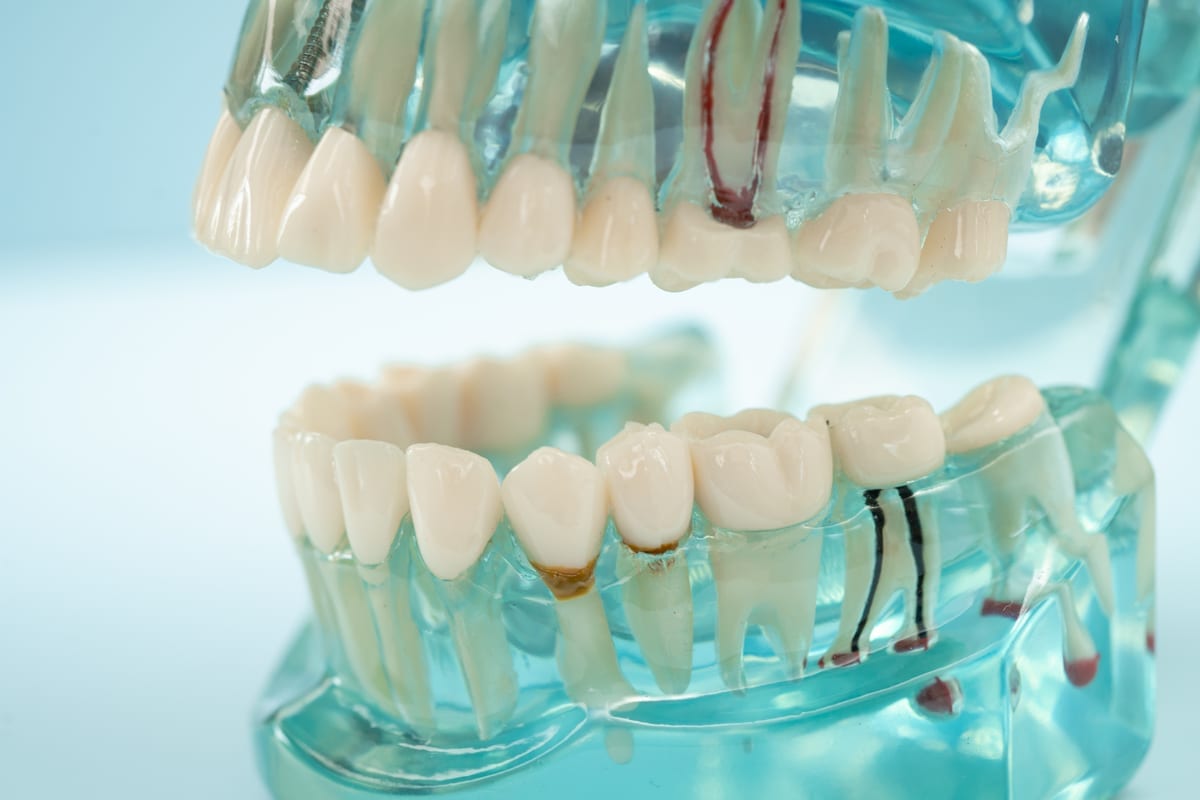
A root canal removes infected pulp tissue from inside the tooth. The tooth structure itself remains in your mouth. A dentist then seals and crowns the tooth to restore full function.
A tooth extraction removes the entire tooth from the socket. This stops the infection quickly and completely. However, it also leaves a gap that must be addressed to protect your oral health long term.
Both procedures treat pain and infection effectively. The key difference is what happens after. One preserves your natural tooth; the other requires replacing it. That distinction matters greatly for your long-term dental health and your budget.
Comparing Costs: Root Canal vs. Extraction in Stony Plain
Many patients assume extraction is the cheaper option. In the short term, that may be true. However, removing a tooth creates new problems that cost more to fix later.
After extraction, the surrounding teeth begin to shift. Bone loss occurs in the jaw where the root once supported the tissue. To prevent these effects, most patients need a replacement option.
Common tooth replacement options include:
- Dental implants — the gold standard for replacing a missing tooth
- Dental bridges — anchor to neighbouring teeth to fill the gap
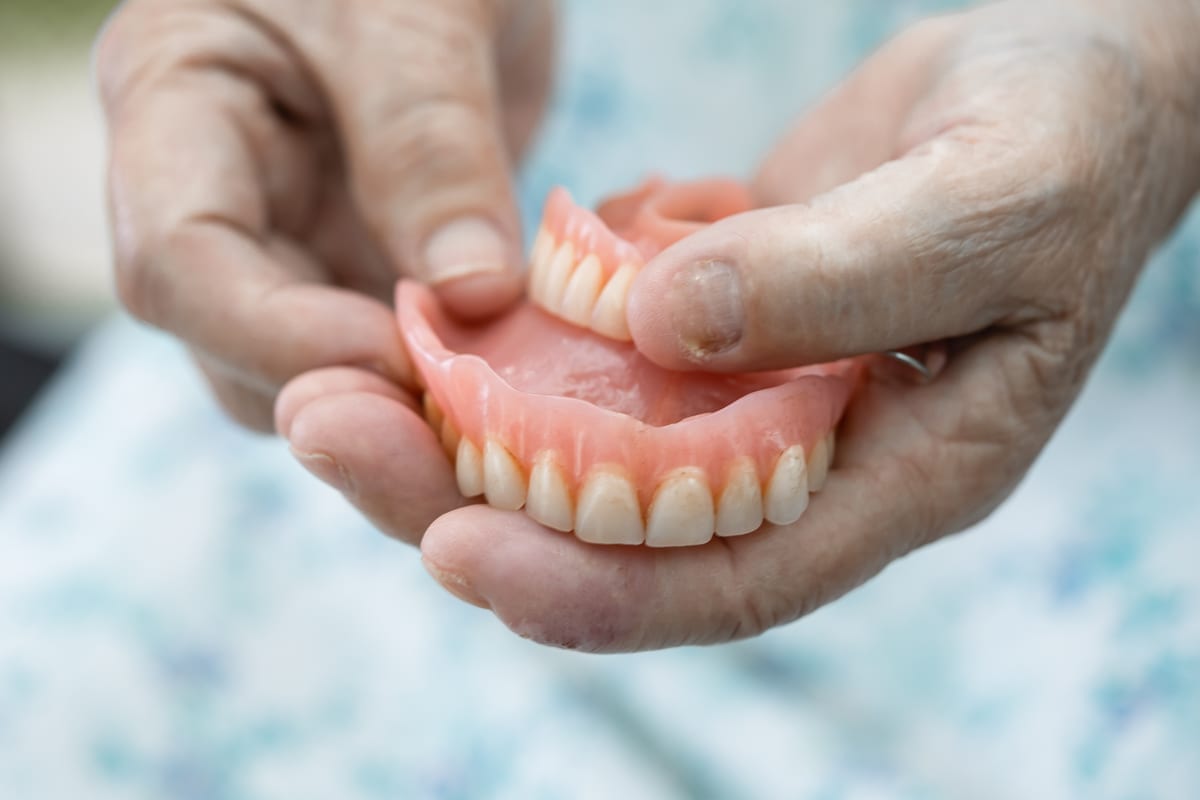
- Partial dentures — a removable option for missing teeth
When you add the cost of extraction plus a replacement, the total often exceeds the cost of a root canal and crown. Saving your natural tooth with Root Canal Therapy Stony Plain is frequently the more economical long-term decision.
Long-Term Health Impact: Which Option Protects You Better?
Your natural teeth are always the best option for your oral and overall health. They stimulate the jawbone every time you chew. This stimulation prevents bone loss and keeps your face structure intact.
A successfully treated root canal tooth can last a lifetime with proper care. You brush, floss, and visit your dentist just as you would with any other tooth. There is no special maintenance required beyond good hygiene habits.
Extraction, by contrast, sets off a chain reaction. Bone loss begins within the first year. Adjacent teeth tilt toward the gap. This can affect your bite, cause jaw pain, and lead to further dental work down the road.
Benefits of keeping your natural tooth include:
- Preserved jawbone density and facial structure
- Stable bite alignment and chewing function
- No risk of implant failure or bridge complications
- Lower overall cost over five to ten years
- Simpler ongoing maintenance and care
Recovery: What to Expect After Each Procedure
Recovery time differs between the two treatments. Knowing what to expect helps you plan and reduces anxiety.
After a root canal: Most patients feel mild soreness for two to three days. Over-the-counter pain relievers manage discomfort easily. You can usually return to work or normal activities the next day.
After an extraction: Healing takes longer. The socket needs one to two weeks to close. You must avoid certain foods, smoking, and vigorous rinsing during this time to prevent dry socket.
If the extraction is part of an urgent situation, Emergency Dentistry Stony Plain is available at Lobay Dental Group for prompt care. Our team prioritizes your comfort and safety no matter which path is right for you.
When Is Extraction the Right Choice?
Root canals are not always the answer. Some situations make extraction the most appropriate option. Dr. Lobay evaluates each case individually before making a recommendation.
Extraction may be the better choice when:
- The tooth is broken below the gum line and cannot be restored
- Severe bone loss surrounds the tooth due to advanced gum disease
- The tooth has multiple fractures that cannot be sealed
- The infection has spread in a way that makes the tooth unsalvageable
- Wisdom teeth are impacted and causing crowding or pain
In these cases, extraction protects your remaining teeth and overall health. Keeping a tooth that cannot be saved creates more problems. A thorough exam with dental X-rays helps Dr. Lobay determine which scenario applies to you.
Making the Right Decision for Your Smile in Stony Plain
The right choice between a root canal and extraction depends on your specific tooth and situation. There is no universal answer. What matters is getting a thorough evaluation from a trusted dental professional.
At Lobay Dental Group in Stony Plain, Dr. Fred Lobay takes time to explain your options clearly. He reviews X-rays, assesses the severity of the infection or damage, and discusses your long-term goals. You always make the final decision — informed and empowered.
If you are experiencing tooth pain, swelling, or sensitivity, do not wait. Early treatment almost always leads to better outcomes and lower costs. The sooner you act, the more options remain available to you.
Your natural teeth are worth fighting for. When a root canal can save your tooth, it is almost always the smarter investment for your health and your budget. Book Now to schedule your appointment with our team.
Frequently Asked Questions
Is a root canal more painful than a tooth extraction?
Most patients are surprised to find that a root canal feels similar to getting a filling. Modern anaesthetics make both procedures comfortable. After the procedure, a root canal typically causes less post-treatment soreness than an extraction, which involves healing an open socket.
How long does a root canal take compared to an extraction?
A straightforward extraction often takes 20 to 45 minutes. A root canal may take 60 to 90 minutes, sometimes split across two appointments if a crown is needed. However, the root canal process includes the restoration step, so you leave with a functional tooth.
Will I need a crown after a root canal?
In most cases, yes. A dental crown protects the treated tooth from cracking under chewing pressure. Dr. Lobay will let you know whether a crown is necessary based on the location of the tooth and how much natural structure remains.
What happens if I do nothing after an extraction?
Leaving a gap without replacement causes the neighbouring teeth to shift gradually. This leads to bite problems, increased wear on other teeth, and jawbone shrinkage. Addressing the gap with an implant, bridge, or other solution protects your remaining teeth and jaw health.
How do I know if my tooth can still be saved?
Only a dental exam with X-rays can determine whether a tooth is salvageable. Factors include the extent of infection, amount of remaining tooth structure, and surrounding bone health. Dr. Lobay at Lobay Dental Group in Stony Plain will give you an honest assessment and explain all available options.