Many Stony Plain residents avoid teeth whitening for one reason: they are afraid it will hurt. That fear is completely understandable. Sensitivity is real, but it does not have to derail your smile goals. At Lobay Dental Group, we help patients understand that teeth whitening doesn’t have to hurt — managing sensitivity every step of the process is absolutely possible with the right approach.
Dr. Fred Lobay and our team take sensitivity seriously. We use evidence-based techniques to minimize discomfort before, during, and after treatment. This article explains why sensitivity happens, what we do to prevent it, and how you can protect yourself at home.
Why Does Teeth Whitening Cause Sensitivity in the First Place?
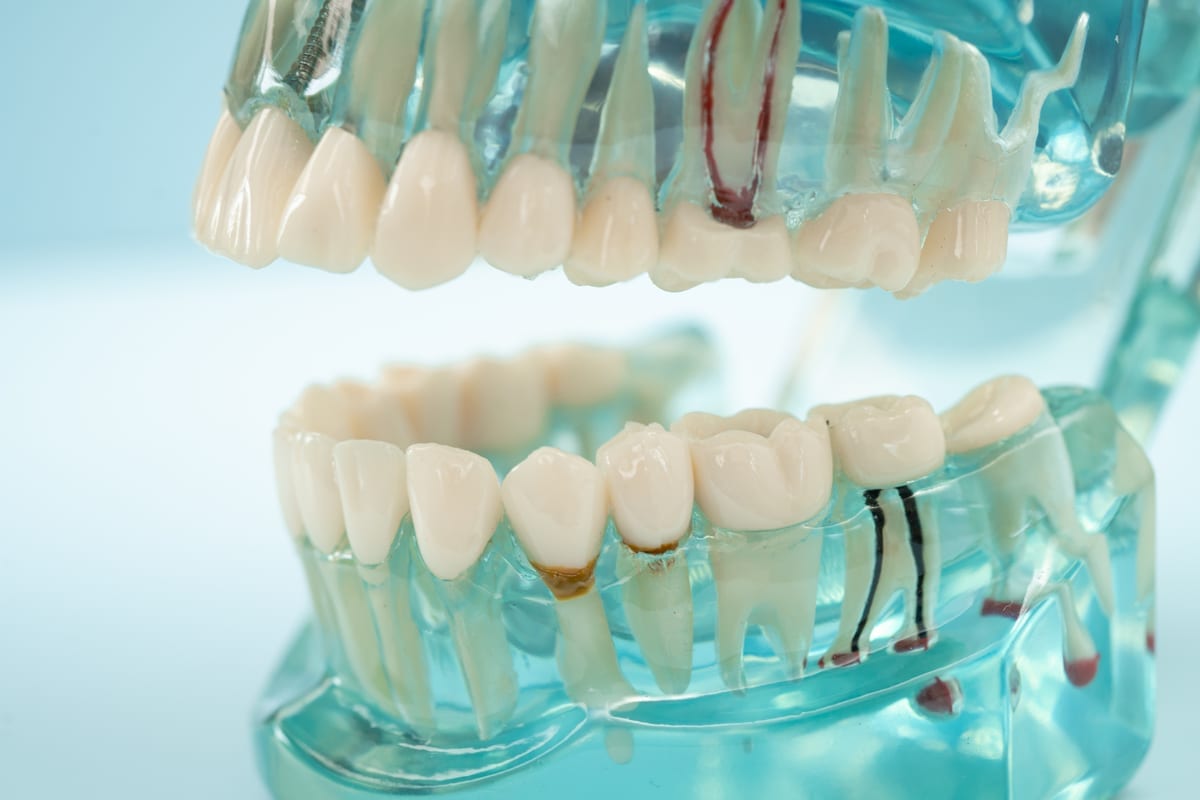
Whitening agents work by penetrating your tooth enamel. They reach the inner layer called dentin, where stain molecules live. This penetration is what makes whitening effective. It is also what temporarily irritates the nerve inside your tooth.
The whitening gel opens tiny channels in your enamel called dentinal tubules. Fluid moves through these channels and stimulates nerve endings. That movement creates the sharp, brief discomfort many patients describe as sensitivity.
Not everyone experiences sensitivity equally. Several factors affect your risk level:
- Naturally thin or worn enamel
- Existing gum recession that exposes root surfaces
- Cracks or chips in teeth
- Previous dental work near the gumline
- History of sensitivity before whitening
Understanding your personal risk helps us create the right treatment plan for you. That is why we always complete a thorough exam before starting any whitening procedure.
How Lobay Dental Group Minimizes Sensitivity During Professional Whitening in Stony Plain
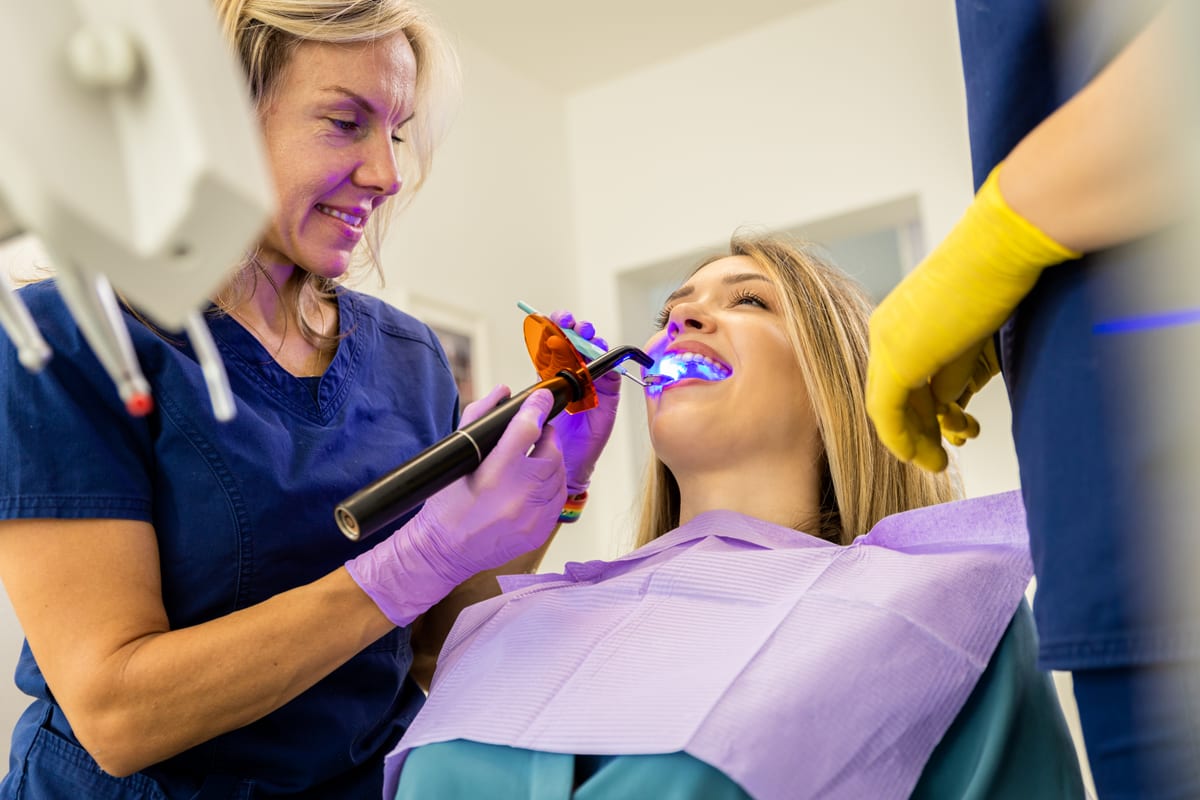
Professional whitening in Stony Plain differs significantly from over-the-counter strips or trays. We control every variable, including gel concentration, application time, and protective measures. That control is what makes a professional experience safer and more comfortable.
Before we begin, Dr. Lobay examines your teeth and gums carefully. We identify any areas that need protection. We also discuss your sensitivity history so we can adjust the treatment accordingly.
During the procedure, we use these key strategies to protect you:
- Apply a protective barrier gel to your gums before whitening
- Use professionally formulated whitening agents at controlled concentrations
- Monitor your comfort throughout the session and adjust timing as needed
- Apply a desensitizing fluoride treatment immediately after whitening
- Recommend potassium nitrate-based products before and after your appointment
These steps are not standard with over-the-counter products. They represent a meaningful difference in your comfort and safety. Our goal is always to achieve results without unnecessary discomfort.
What You Can Do at Home to Manage Sensitivity Before and After Whitening
Your at-home habits play a major role in how much sensitivity you experience. Preparing your teeth in advance makes a real difference. We typically recommend starting a desensitizing toothpaste two weeks before your whitening appointment.
Look for toothpastes that contain potassium nitrate or stannous fluoride. These ingredients block the dentinal tubules and reduce nerve stimulation. Brush with this toothpaste twice daily in the weeks leading up to your appointment.
After your whitening session, follow these home-care guidelines to stay comfortable:
- Avoid very hot or very cold foods and drinks for 24 to 48 hours
- Skip acidic foods like citrus, vinegar-based dressings, and sodas
- Continue using your desensitizing toothpaste for at least one week after treatment
- Use a soft-bristled toothbrush and gentle pressure when brushing
- Avoid whitening touch-ups until any sensitivity has fully resolved
If you experience discomfort that feels more like a toothache than temporary sensitivity, contact us right away. Persistent pain can signal an underlying issue that needs attention. In some situations, severe pain may also warrant a visit to discuss Emergency Dentistry Stony Plain options.
When Sensitivity Is a Warning Sign — Not Just a Side Effect
Most whitening-related sensitivity resolves within 24 to 48 hours. It is brief, predictable, and manageable. However, some types of tooth pain deserve closer attention from your dentist.
If you feel sharp, lingering pain during or after whitening, that sensation may signal an infected or inflamed tooth pulp. Whitening agents can occasionally reveal problems that were already developing quietly. Catching these issues early is always better than waiting.
Patients with deep decay, cracked teeth, or previous trauma may need treatment before whitening is appropriate. In some cases, that means completing Root Canal Therapy Stony Plain before moving forward with cosmetic work. Dr. Lobay will identify any concerns during your pre-treatment examination and guide you to the right sequence of care.
Our priority is always your long-term oral health. A brighter smile means nothing if it comes at the cost of a healthy tooth. We will never rush whitening for cosmetic results when underlying health issues need addressing first.
Take-Home Whitening Trays — A Gentler Option for Sensitive Teeth
In-office whitening produces dramatic results quickly. However, take-home whitening trays may be a better fit for patients with naturally sensitive teeth. The gel concentration is lower, and the treatment works more gradually.
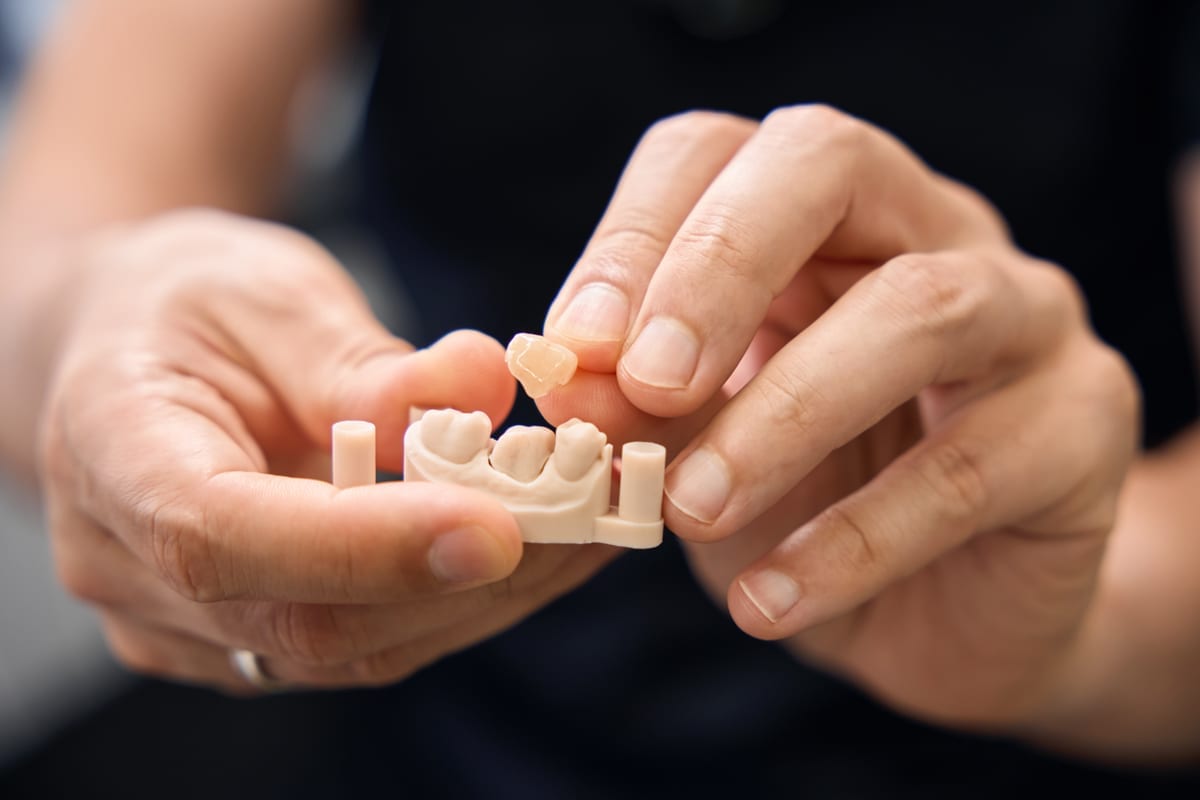
Dr. Lobay creates custom-fitted trays from impressions of your teeth. A precise fit prevents the gel from seeping onto your gums and causing irritation. Generic over-the-counter trays cannot provide this level of accuracy or protection.
You apply the gel at home for shorter intervals each day. This gentler pace gives your teeth time to recover between applications. Many patients with sensitivity find this approach far more comfortable than in-office sessions.
We can also combine take-home trays with in-office treatment to maximize results while managing sensitivity. Your treatment plan should always reflect your comfort level and your smile goals. We work with you to find the right balance.
Frequently Asked Questions
Is teeth whitening safe if I already have sensitive teeth?
Yes, whitening can be safe for sensitive teeth with proper precautions. Dr. Lobay will assess your sensitivity level before treatment and recommend the most comfortable approach for you. Using desensitizing products and lower-concentration gels helps protect patients who are prone to sensitivity.
How long does whitening sensitivity last?
Most patients experience sensitivity for 24 to 48 hours after whitening. This discomfort is temporary and should fade on its own. If sensitivity continues beyond two days or feels severe, contact Lobay Dental Group for guidance.
Can I take pain relievers to manage whitening sensitivity?
Over-the-counter pain relievers like ibuprofen can help reduce sensitivity discomfort after whitening. Taking them about an hour before your appointment may also help. Always follow the product directions and speak with Dr. Lobay if you have any health concerns about using them.
Will whitening damage my enamel?
Professional whitening performed by a qualified dentist does not damage enamel when used as directed. The temporary opening of dentinal tubules closes again after treatment. Our team uses carefully controlled concentrations to protect your enamel throughout the process.
How many whitening sessions will I need to see results?
Most patients see noticeable results after one in-office session. Take-home trays typically require one to two weeks of daily use. The number of sessions depends on your starting shade and your whitening goals, which we discuss during your initial consultation.
At Lobay Dental Group, we believe every Stony Plain patient deserves a comfortable path to a brighter smile. Sensitivity should never be a reason to give up on your goals. Book Now to schedule your appointment with our team.