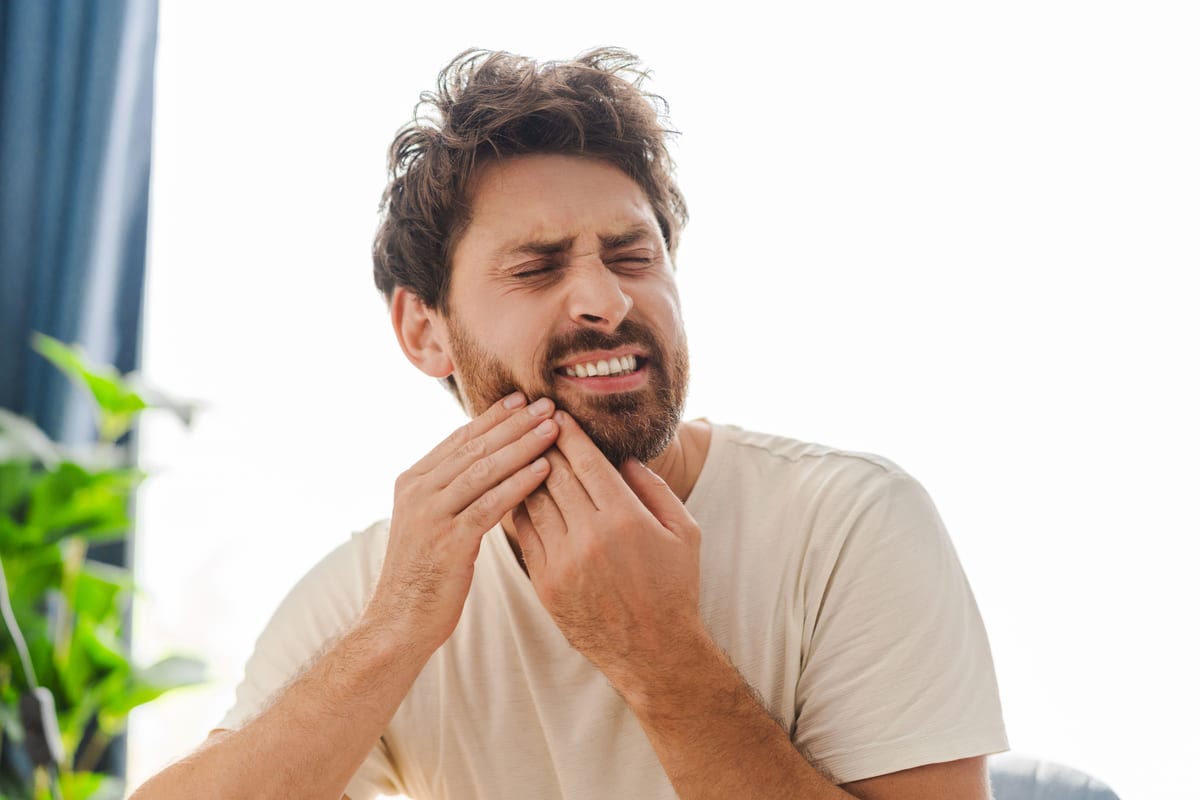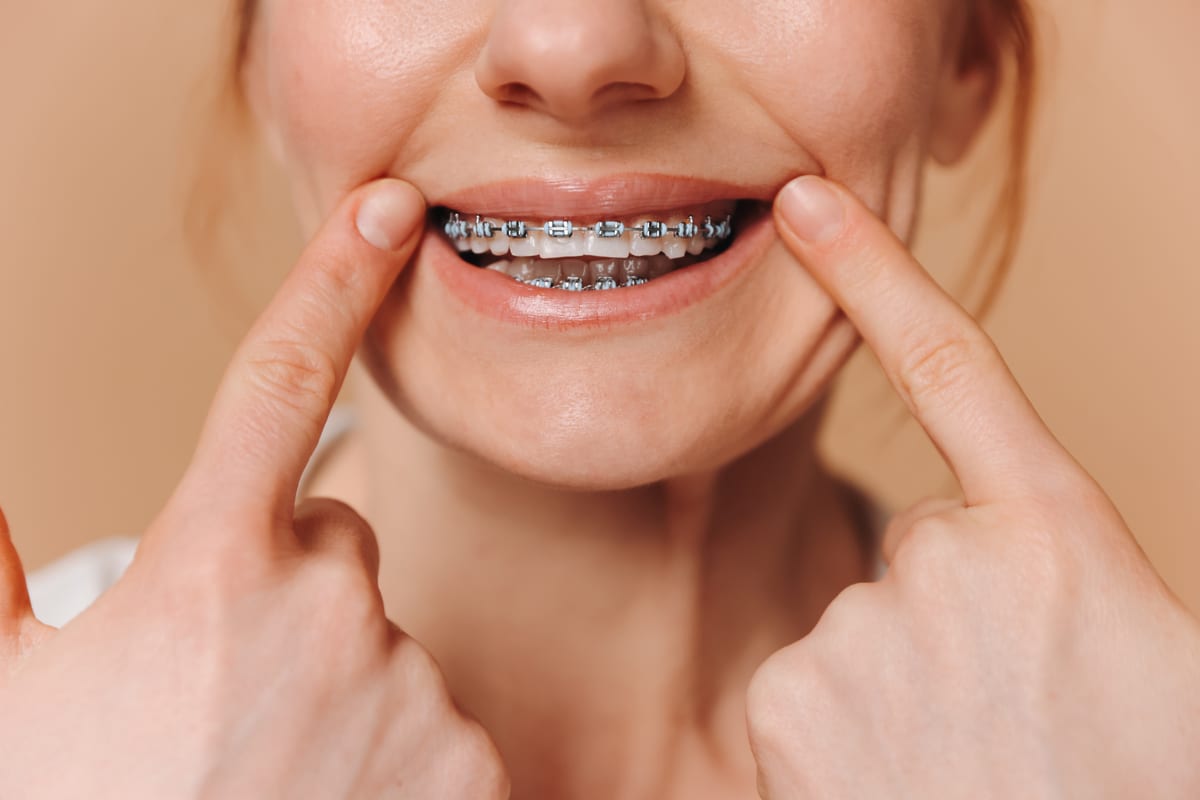
Sedation dentistry helps anxious patients receive the care they need comfortably. But the work does not stop once you leave our Stony Plain office. To keep your sedation dentistry results pristine between appointments in Stony Plain, your daily habits matter just as much as your time in the chair. Dr. Fred Lobay and the team at Lobay Dental Group want you to feel confident caring for your smile at home.
Whether you recently had a deep cleaning, restorative work, or a multi-step treatment under sedation, maintaining those results is achievable. A few targeted habits can protect your investment and keep your mouth healthy. This guide walks you through exactly what to do between visits.
Why Home Care Matters After Sedation Dentistry in Stony Plain
Sedation dentistry allows your dentist to complete complex or lengthy procedures in fewer visits. That means more work is accomplished in a single appointment. The responsibility then shifts to you to protect those results at home.
After sedation procedures, your gums and tissues may be temporarily more sensitive. Skipping proper home care during this window can allow bacteria to undo the dentist’s work quickly. Consistent brushing, flossing, and mindful eating all play a critical role.
Patients in Stony Plain who stay diligent between visits experience fewer complications. They also tend to need less corrective work at follow-up appointments. Protecting your results starts the moment you get home.
The Right Brushing and Flossing Technique to Protect Your Results
Brushing correctly is the single most important thing you can do between visits. Use a soft-bristled toothbrush and fluoride toothpaste. Brush for a full two minutes, twice daily, using gentle circular motions.
Avoid aggressive scrubbing. Hard brushing can irritate healing gum tissue after sedation procedures. It can also wear down enamel on recently treated teeth.
Flossing is equally essential. Slide the floss gently between teeth using a C-shaped motion around each tooth. Never snap or force the floss downward, especially near freshly treated areas.
Here are the key steps for effective daily brushing and flossing:
- Use a soft-bristled toothbrush recommended by your dentist
- Brush at a 45-degree angle toward the gum line
- Spend 30 seconds on each quadrant of your mouth
- Floss once daily, ideally before bed
- Rinse with an alcohol-free antibacterial mouthwash
An electric toothbrush can make technique easier to maintain. Dr. Lobay can recommend a specific model suited to your post-treatment needs.
Diet Adjustments That Help Preserve Your Dental Work
What you eat directly impacts how long your dental results last. Certain foods can stain, chip, or weaken treated teeth. Knowing which ones to avoid helps protect your smile between appointments.
After any sedation procedure, avoid very hard or crunchy foods for at least 48 hours. Chips, hard candies, and raw carrots can stress newly placed restorations. Stick to softer options like yogurt, eggs, and cooked vegetables during recovery.
Staining foods and drinks are another concern. Coffee, red wine, and dark sauces can discolour teeth whitening results or stain composite work. Rinse your mouth with water after consuming these items when possible.
Sugar is the most important dietary factor to manage long-term. Bacteria in the mouth feed on sugar and produce acid. That acid erodes enamel and can compromise the margins around crowns or fillings.
Foods and habits to limit between appointments include:
- Sugary snacks and sodas
- Sticky or chewy candies that cling to restorations
- Acidic beverages like sports drinks and citrus juices
- Alcohol-based mouthwashes that dry out oral tissues
- Smoking or tobacco products that slow healing
Products and Tools That Support Your Between-Visit Routine
The right products make a significant difference in maintaining your dental results. Not all oral care products are created equal. Choosing ones tailored to post-treatment care helps protect your investment.
Fluoride toothpaste strengthens enamel and helps prevent cavities around restorations. Look for a toothpaste with a low-abrasion formula if your teeth feel sensitive. Sensitivity is common after sedation procedures and usually resolves within a few weeks.
An alcohol-free antibacterial mouthwash reduces harmful bacteria without drying out your mouth. Dry mouth is a known side effect of certain sedation medications. Keeping your mouth hydrated supports healing and reduces infection risk.
Interdental brushes are useful for cleaning around implants, bridges, or areas where flossing is difficult. A water flosser can also be gentler on healing tissues. Ask Dr. Lobay at your next Stony Plain visit which tools suit your specific treatment.
When to Contact Your Dentist Between Appointments
Knowing when to reach out to your dental team is an important part of between-visit care. Some discomfort after sedation procedures is normal. However, certain symptoms should prompt a prompt call to the office.
Contact Lobay Dental Group if you experience any of the following after a sedation procedure:
- Persistent pain lasting more than a few days
- Swelling that is worsening rather than improving
- A restoration that feels loose or uncomfortable when biting
- Signs of infection such as fever or discharge
If a dental concern arises unexpectedly between visits, do not wait. Emergency Dentistry Stony Plain is available to address urgent issues quickly. Getting issues assessed early prevents small problems from becoming larger ones.
Similarly, if you experience unexpected tooth pain, it may signal a deeper issue. Root Canal Therapy Stony Plain can resolve infections before they threaten the tooth entirely. Early treatment leads to better outcomes and a faster recovery.
Staying Consistent Leads to Lasting Results
Maintaining your sedation dentistry results between visits comes down to consistency. The right brushing technique, smart dietary choices, and quality products all contribute. No single habit makes the difference alone — it is the combination that works.
Patients in Stony Plain who build a solid home care routine see better long-term outcomes. They also feel more confident walking into their follow-up appointments. Dr. Lobay and the Lobay Dental Group team are here to support your smile every step of the way.
Keep attending your scheduled professional cleanings. Your dentist can spot early warning signs that home care cannot address alone. Regular visits and consistent daily habits work together to protect your results for years to come.
Your next appointment is an opportunity to review your home care routine with Dr. Lobay. Together, you can make sure everything is on track. Book Now to schedule your appointment with our team.
Frequently Asked Questions
How soon after a sedation dentistry appointment can I brush my teeth?
In most cases, you can brush gently the same day once the sedation has fully worn off. Use a soft-bristled toothbrush and avoid pressure near treated areas. Dr. Lobay will give you specific instructions based on your procedure.
Is tooth sensitivity normal after sedation procedures in Stony Plain?
Yes, mild sensitivity is common after many dental procedures. It typically resolves within a few days to a couple of weeks. If sensitivity persists or worsens, contact Lobay Dental Group for an assessment.
How often should I schedule follow-up appointments after sedation dentistry?
Most patients benefit from professional cleanings every six months. However, Dr. Lobay may recommend more frequent visits depending on your treatment complexity. Consistent follow-up helps protect your results and catch issues early.
Can I use whitening toothpaste after a sedation dentistry procedure?
It is best to avoid whitening toothpastes immediately after treatment, as they can be abrasive on sensitive tissue. Wait until your dentist clears you for regular use. A gentle fluoride toothpaste is the safest choice during recovery.
What is the best mouthwash to use between dental appointments?
An alcohol-free antibacterial mouthwash is generally recommended after dental procedures. Alcohol-based rinses can dry out oral tissues and slow healing. Ask Dr. Lobay to recommend a specific product suited to your post-treatment needs.