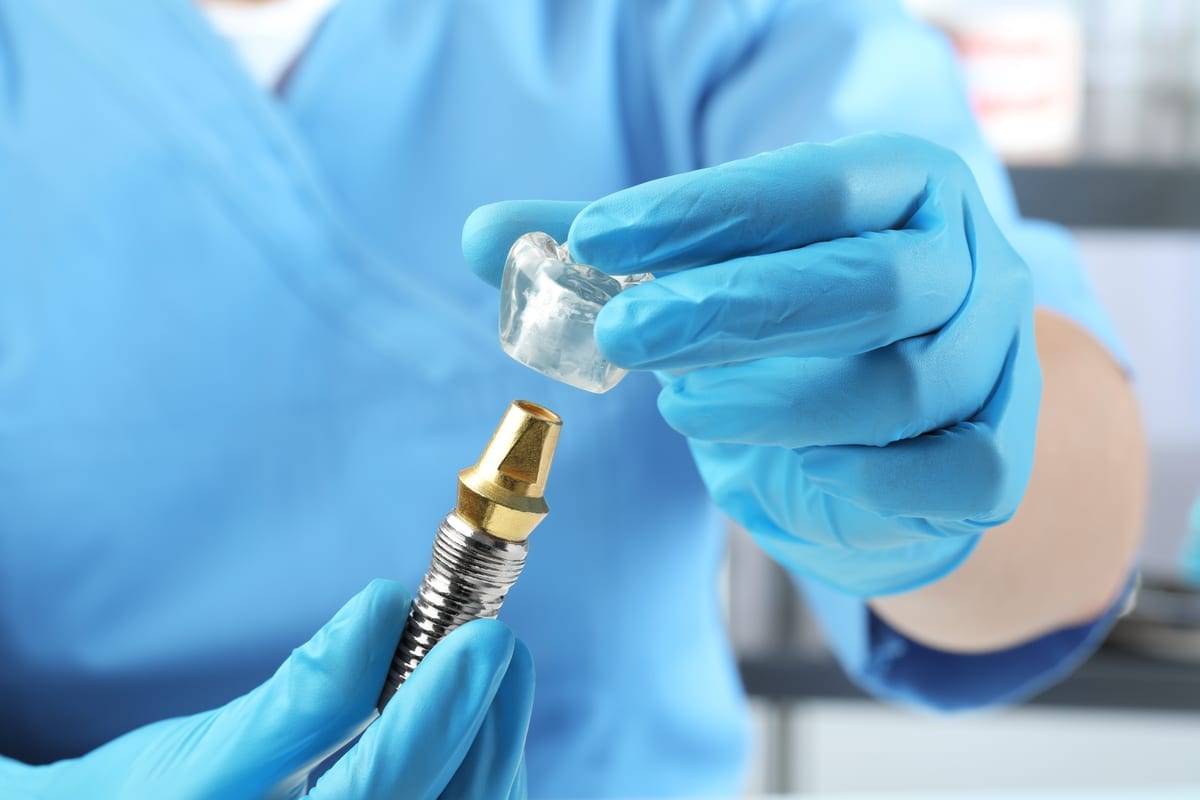
If you are considering dental implants in Stony Plain, you are not alone. Many patients feel anxious simply because they do not know what to expect. This step-by-step guide to the dental implant procedure in Stony Plain is designed to walk you through every stage — from your very first consultation all the way through to a fully healed, confident smile. At Lobay Dental Group, Dr. Fred Lobay and our team believe that understanding your treatment is the first step toward feeling comfortable with it.
Step One: Your Initial Consultation and Treatment Planning in Stony Plain
Every successful dental implant begins with a thorough consultation. During this visit, Dr. Lobay evaluates your oral health, reviews your dental and medical history, and takes digital X-rays or 3D scans. These images help us assess your jawbone density and identify the ideal implant placement position.
This stage also involves a detailed conversation about your goals and expectations. We want to make sure implants are the right solution for your specific situation. Not every patient is an immediate candidate — some may require preparatory treatments first.
If you are exploring other smile improvement options alongside implants, we may also discuss Cosmetic Dentistry services that can complement your results. A complete smile plan is always more effective than treating one tooth in isolation.
Step Two: Preparing Your Mouth — Bone Grafting and Extractions
Some patients need preparatory work before implant placement can begin. This is completely normal and nothing to worry about. If your jawbone lacks sufficient density, a bone graft may be recommended to strengthen the implant site.
A bone graft uses either your own bone tissue or a safe synthetic material. It is placed in the area where the implant will eventually sit. The graft needs time to fuse with your natural bone — this healing phase typically takes several months.
If a damaged or failing tooth still occupies the implant site, an extraction will be performed first. In some cases, a temporary restoration is placed while your mouth heals. Dr. Lobay will outline exactly what preparatory steps apply to your case during your consultation.
Step Three: Implant Placement — What Happens During Surgery in Stony Plain
Once your mouth is ready, the implant placement appointment is scheduled. This is the surgical phase that many patients feel most nervous about. However, the procedure is performed under local anesthetic, so you should feel pressure but not pain.
Here is what happens during the placement appointment:
- The treatment area is fully numbed with local anesthesia
- A small incision is made in the gum tissue to expose the jawbone
- A precise channel is drilled into the bone at the planned angle and depth
- The titanium implant post is carefully inserted into the channel
- The gum tissue is sutured closed around or over the implant
The entire procedure usually takes one to two hours depending on complexity. Most patients are pleasantly surprised by how manageable the experience feels. Mild soreness and swelling in the days following are normal and expected.
Step Four: Osseointegration — The Healing Phase That Makes Implants Work
After placement, your implant enters the most important phase of the entire process: osseointegration. This is the biological process where your jawbone gradually fuses with the titanium post. It is what makes dental implants so uniquely stable and long-lasting.
Osseointegration typically takes between three and six months. During this time, your implant is quietly integrating with your bone beneath the surface. You will have follow-up appointments with Dr. Lobay to monitor your healing progress.
It is important to follow all aftercare instructions carefully during this phase. These include:
- Eating soft foods and avoiding hard or crunchy items
- Keeping the surgical site clean with gentle rinsing
- Avoiding smoking, which significantly slows healing
- Attending all scheduled follow-up appointments
- Reporting any unusual pain, swelling, or movement immediately
Once healing is confirmed, you move into the final and most exciting stage of the process.
Step Five: Placing the Abutment and Custom Crown
When osseointegration is complete, Dr. Lobay places a small connector piece called an abutment onto the implant post. This component connects the implant to your final restoration. A minor follow-up procedure is sometimes needed to expose the implant and attach the abutment.
Impressions or digital scans of your mouth are then taken. These allow our dental lab to craft a custom crown that matches the shape, size, and shade of your surrounding teeth. Every detail is carefully considered so your implant blends seamlessly into your smile.
Once the crown is ready, it is securely attached to the abutment. The result is a permanent, natural-looking tooth that functions exactly like the real thing. You can eat, speak, and smile without restriction or worry.
How Dental Implants Compare to Other Tooth Replacement Options
Patients often ask why they should choose implants over dentures or bridges. The answer lies in both function and long-term health. Implants are the only restoration that replaces the root of a missing tooth — not just the visible crown.
By stimulating the jawbone, implants prevent the bone loss that naturally follows tooth extraction. Dentures and bridges do not offer this benefit. Over time, bone loss can change your facial structure and affect the fit of other restorations.
Some patients are also exploring alignment options to optimize their smile before or alongside implant treatment. If that sounds familiar, ask Dr. Lobay about Invisalign Orthodontics and whether it fits into your overall treatment timeline. Combining treatments strategically can produce outstanding results.
What Makes Lobay Dental Group the Right Choice for Implants in Stony Plain
Dr. Fred Lobay brings both clinical expertise and a genuine passion for patient comfort to every implant case. Our Stony Plain practice uses modern imaging technology to plan each implant with precision. We take time to explain every step so you always know what is coming next.
We understand that starting the implant journey can feel overwhelming. Our team is here to answer your questions, ease your concerns, and guide you from start to finish. You deserve a tooth replacement solution that truly lasts — and we are committed to helping you get there.
Ready to take the first step toward a complete, confident smile? Book Now to schedule your appointment with our team.
Frequently Asked Questions
How long does the entire dental implant process take from start to finish?
The full process typically takes between six months and one year. The timeline depends on whether preparatory steps like bone grafting are needed and how quickly osseointegration occurs. Dr. Lobay will give you a personalized estimate during your consultation at our Stony Plain office.
Is the dental implant procedure painful?
Most patients experience very little discomfort during the procedure itself because local anesthesia is used throughout. After the surgery, mild soreness and swelling are common for a few days. Over-the-counter pain relief is usually sufficient to manage post-operative discomfort.
Are dental implants suitable for everyone?
Most healthy adults with adequate jawbone density are good candidates for dental implants. Patients who smoke or have uncontrolled health conditions may face a higher risk of complications. Dr. Lobay will assess your full health picture during the consultation to determine if implants are right for you.
How do I care for my dental implant after it is placed?
Dental implants are cared for just like natural teeth. Brush twice daily, floss regularly, and attend routine dental hygiene appointments. With proper care, implants can last a lifetime and do not require any special maintenance products.
What happens if I do not have enough jawbone for an implant?
If your jawbone lacks sufficient volume or density, Dr. Lobay may recommend a bone graft before implant placement. A bone graft builds up the implant site using safe bone material that fuses with your natural bone over several months. This preparatory step makes implant placement possible for many patients who would otherwise not qualify.