Most people grow up hearing the same advice: visit your dentist twice a year. But that recommendation does not apply to everyone. Understanding why your teeth might need cleaning every 3 months instead of 6 in Stony Plain could protect your oral health in meaningful ways. At Lobay Dental Group, Dr. Fred Lobay helps patients determine the cleaning schedule that truly fits their needs.
The twice-yearly rule is a general guideline, not a universal prescription. Your mouth is unique. Several health and lifestyle factors influence how quickly plaque, tartar, and bacteria build up between visits.
Why a 6-Month Schedule Does Not Work for Everyone
The standard six-month cleaning interval works well for patients with healthy gums and low cavity risk. However, many adults fall outside that category. Bacteria in the mouth can re-establish harmful colonies in as little as three months for some individuals.
When tartar accumulates faster than average, waiting six months allows damage to progress silently. Gum disease, bone loss, and cavities can develop between visits without causing noticeable pain. Early detection during more frequent appointments helps prevent costly and complex treatment down the road.
Dr. Fred Lobay evaluates each patient individually. He considers your gum health, medical history, and daily habits before recommending a cleaning frequency. The goal is always to stay ahead of problems rather than react to them.
Key Factors That Determine Your Cleaning Interval in Stony Plain
Several specific conditions and risk factors often point toward a three- or four-month cleaning schedule. Knowing these factors helps you have an informed conversation with your dentist.
- Gum disease (gingivitis or periodontitis): Active or previously treated gum disease requires closer monitoring to prevent recurrence.
- Diabetes: High blood sugar levels create an environment where oral bacteria thrive more aggressively.
- Smoking or tobacco use: Tobacco significantly increases plaque buildup and slows gum tissue healing.
- Dry mouth (xerostomia): Saliva naturally fights bacteria. Without enough saliva, tartar forms faster.
- Pregnancy: Hormonal changes during pregnancy increase the risk of gum inflammation and bleeding.
- A history of frequent cavities: Some patients are genetically prone to decay even with strong brushing habits.
- Weakened immune system: Certain medications or health conditions reduce the body’s ability to fight oral infections.
If you recognize any of these factors, a more frequent cleaning schedule may already be appropriate for you. A conversation with Dr. Lobay can clarify your individual risk profile.
What Happens During a 3-Month Cleaning Appointment
A three-month cleaning, often called a periodontal maintenance appointment, is more thorough than a routine prophylaxis. It focuses on areas where bacteria and tartar tend to hide and re-colonize quickly.
During the appointment, your dental hygienist will carefully remove tartar from above and below the gumline. They will also measure gum pocket depths to track any changes since your last visit. Early shifts in these measurements can signal that gum disease is progressing.
Here is what you can generally expect at each maintenance visit:
- Review of any changes in your medical history or medications
- Measurement of gum pocket depths around each tooth
- Scaling to remove plaque and hardened tartar buildup
- Polishing to remove surface stains and smooth enamel
- Personalized home care recommendations based on current findings
These appointments are shorter than a full new-patient exam. They are focused and efficient, designed to maintain the progress made during more intensive treatments.
How Gum Disease Connects to Your Cleaning Frequency
Gum disease is the most common reason dentists recommend three-month cleanings. Once you have been treated for periodontitis, the bacteria responsible for the disease do not disappear permanently. They begin rebuilding colonies almost immediately after treatment.
Research shows that harmful bacterial levels can return to pre-treatment levels in approximately 90 days. This is why a three-month interval is specifically designed to interrupt that cycle. Waiting six months gives bacteria too much time to cause further damage to the bone and tissue supporting your teeth.
Patients who maintain consistent three-month schedules after periodontal therapy tend to keep more of their natural teeth long-term. The investment in more frequent visits pays off significantly over years and decades.
Gum health also connects to your broader health. Periodontal disease has been linked to heart disease, diabetes complications, and other systemic conditions. Protecting your gums protects more than just your smile.
Balancing Aesthetic Goals with Proper Cleaning Schedules
Some patients in Stony Plain pursue Cosmetic Dentistry treatments like veneers or teeth whitening to enhance their smile. Maintaining those results requires a clean, healthy foundation. More frequent professional cleanings help preserve the look and longevity of cosmetic work.
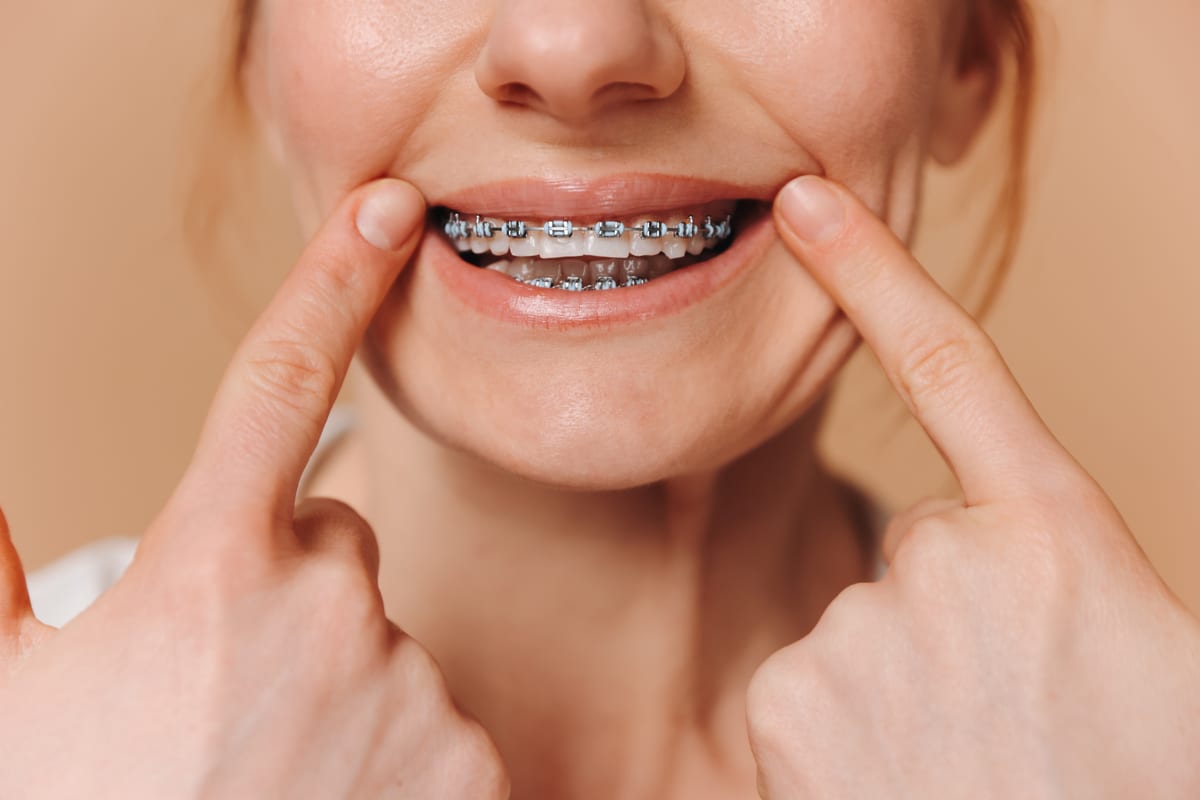
Similarly, patients using Invisalign Orthodontics benefit from more attentive hygiene monitoring. Aligners can trap bacteria against teeth if oral hygiene slips. Regular cleanings during orthodontic treatment reduce cavity and gum disease risk significantly.
When you combine cosmetic or orthodontic goals with a strong preventive care schedule, your results last longer. Dr. Lobay considers your complete treatment picture when making cleaning frequency recommendations.
How to Know Which Cleaning Schedule Is Right for You
The best way to determine your ideal cleaning interval is to schedule a comprehensive exam with Dr. Fred Lobay at Lobay Dental Group. He will assess your gum health, review your medical history, and evaluate your personal risk factors.
Some patients start at six months and later move to three months after developing gum issues. Others begin at three months and eventually graduate back to a six-month schedule as their health stabilizes. The right interval can also change over time as your health evolves.
There is no one-size-fits-all answer when it comes to oral health maintenance. The goal is always to personalize care so that you receive exactly what your mouth needs — no more, no less.
If you live in Stony Plain and have questions about how often you should be seen, our team is ready to help you find clarity. Taking a proactive approach today prevents larger problems from developing tomorrow. Book Now to schedule your appointment with our team.
Frequently Asked Questions
Why do some patients need teeth cleaning every 3 months instead of 6?
Certain patients have faster tartar buildup, active or past gum disease, dry mouth, diabetes, or other risk factors that make a three-month schedule more appropriate. Waiting six months in these cases allows bacteria to cause damage that could have been prevented with earlier intervention.
Is a 3-month cleaning more expensive than a regular cleaning?
Periodontal maintenance appointments are more thorough than standard prophylaxis cleanings and may be priced differently. However, the cost of more frequent maintenance is typically much lower than treating advanced gum disease, cavities, or tooth loss that develops when cleanings are not frequent enough.
Can I return to a 6-month schedule after my gum health improves?
In some cases, yes. If your gum disease is well-controlled and your oral health stabilizes, Dr. Lobay may recommend returning to a six-month interval. This decision is made based on ongoing monitoring of your gum pocket depths and overall oral health over time.
Does Invisalign treatment affect how often I need cleanings?
Patients undergoing Invisalign treatment often benefit from more frequent cleanings. Aligners can trap food and bacteria against tooth surfaces, increasing the risk of decay and gum irritation. Your dentist may recommend more regular hygiene visits throughout your orthodontic treatment.
What should I do between professional cleanings to protect my gum health?
Brush at least twice daily using a soft-bristled toothbrush, and floss once per day. Use an antibacterial mouthrinse if recommended by your dentist. Stay hydrated to support healthy saliva flow. Avoid tobacco products, and attend all recommended professional cleaning appointments to maintain the progress made during treatment.